What is a Virtual Care Stethoscope and How It Enables Remote Diagnosis

Introduction
Healthcare is changing quickly, and remote care is becoming more common than ever. Patients and doctors are no longer limited by geography, as digital technologies enable consultations from different locations. This shift is making diagnosis faster, more accessible, and more efficient.
The virtual care stethoscope is one of the major breakthroughs supporting this transformation. This advanced device enables doctors to listen to lung and heart sounds even when the patient is far away, in contrast to traditional devices that require physical presence.
We will discuss what a virtual care stethoscope is, how it functions, and how it is changing remote diagnosis in modern healthcare in this article.
What is a Virtual Care Stethoscope?
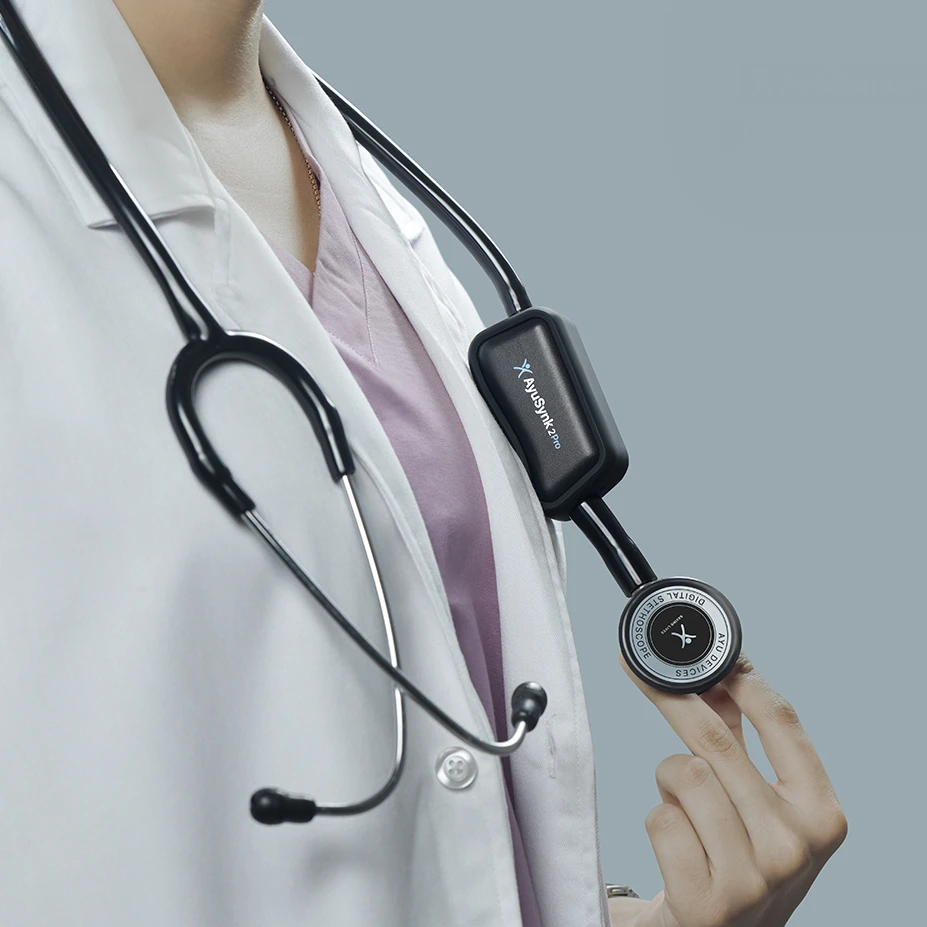
A virtual care stethoscope is a digital medical tool that captures and transmits internal body sounds, like breathing and heartbeats, over long distances. As part of telemedicine or virtual consultations, it allows medical professionals to perform remote auscultation.
A virtual care stethoscope uses microphones and digital processing to convert body sounds into digital signals, unlike traditional stethoscopes, which rely only on acoustic sound transmission through tubes. After that, these signals can be safely sent in real time to a doctor or saved for later analysis.
This makes it an essential device in telehealth environments, where clinical decision-making depends on having access to accurate physiological data.
How Does a Virtual Care Stethoscope Work?
A virtual care stethoscope provides reliable remote auscultation by combining hardware and software. The process usually follows a simple but effective workflow:
-
- Sound Capture: The device captures heart and lung sounds from a patient’s body by using sensitive sensors or microphones.
- Signal Processing: These sounds can be amplified and filtered to improve clarity by converting them into digital signals.
- Transmission:
-
- Bluetooth is used for transmission of body sounds.
- The Internet is used to transmit these sounds by capturing and transmitting them to a doctor in a different location.
- Listen and Analyse in Real Time: Doctors can securely access live auscultation sounds for immediate listening, detailed analysis, and waveform-based clinical interpretation through a web interface.
- Review and Share for Clinical Follow-Up: Previously captured auscultation recordings can be securely reviewed, compared over time, and shared with other clinicians to support follow-up care and collaborative analysis.
Particularly in remote care circumstances, real-time access enables doctors to make better decisions.
Why Virtual Care Stethoscopes Are Important in Modern Healthcare
Growing Demand for Remote Healthcare
Patients today expect convenience and faster access to care. Remote consultations reduce travel time and make healthcare accessible to people in rural or underserved areas. A virtual care stethoscope plays a key role in enabling meaningful clinical assessments during these consultations.
Need for Early and Accurate Diagnosis
Early detection of heart and lung conditions can significantly improve outcomes. By enabling doctors to listen to body sounds remotely, a virtual care stethoscope supports timely evaluation without delaying care.
Reducing Hospital Visits and Overcrowding
Not every patient needs to visit a hospital physically. Remote diagnosis helps reduce unnecessary visits, easing the burden on healthcare facilities while maintaining quality care.
Key Features of a Virtual Care Stethoscope
Real-Time Audio Transmission
Doctors can hear body sounds instantly during a consultation, allowing immediate clinical evaluation.
High Sound Clarity and Amplification
By amplifying faint signals and reducing background noise, digital processing helps deliver clearer and more reliable auscultation results, even in clinically high risk environments.
Recording and Playback Options
Clinicians can record auscultation sessions and replay them later. This supports better analysis, follow-ups, and second opinions.
Integration with Telemedicine Platforms
Virtual care stethoscopes are designed to work with telemedicine systems and applications, enabling seamless remote consultations and data sharing.
Virtual care stethoscopes enable accurate, real-time remote diagnosis
How Virtual Care Stethoscopes Enable Remote Diagnosis
The virtual care stethoscope is a key enabler of remote diagnosis by bridging the gap between physical evaluations and digital consultation.
Doctors can:
- Listen to heart and lung sounds in real time during virtual consultations.
- Identify abnormalities such as irregular heart rhythms or respiratory issues.
- Monitor chronic conditions over time using recorded data.
- Share findings with specialists for collaborative care.
This capability transforms remote consultations from basic discussions into more comprehensive clinical evaluations. It ensures that patients receive timely and informed care, even when they are not physically present in a clinic or hospital.
Benefits of Using a Virtual Care Stethoscope
Improved Access to Healthcare
Patients in remote or underserved regions can access specialized care without the travel cost.
Faster Medical Decisions
Real-time access to body sounds allows doctors to assess conditions quickly and take timely action.
Better Patient Monitoring
For chronic conditions such as asthma or heart disease, regular monitoring becomes easier and more consistent.
Cost and Time Savings
Reducing hospital visits lowers healthcare costs and saves time for both patients and providers.
Where Virtual Care Stethoscopes Are Commonly Used
Virtual care stethoscopes are versatile and can be used across multiple healthcare settings:
- Telemedicine consultations
- Home healthcare services
- Rural and remote clinics
- Emergency response scenarios
- Chronic disease management programs
They are particularly valuable in situations where access to specialists is limited or when physical evaluations are not always feasible.
Virtual Care Stethoscope vs Traditional Stethoscope
| Aspect | Traditional Stethoscope | Virtual Care Stethoscope |
|---|---|---|
| Physical vs Remote Usage | Requires physical presence | Enables remote auscultation |
| Sound Processing | Depends on natural hearing | Allows amplification and filtering |
| Data Storage | No recording capability | Supports recording, storage, and sharing |
Challenges and Considerations
While the virtual care stethoscope offers many advantages, there are some important considerations:
- Reliable internet connectivity is essential for remote transmission.
- Proper training is required for accurate device usage.
- Device quality directly impacts sound clarity.
- Data privacy and security must be ensured when sharing patient information.
Addressing these factors ensures effective and safe use in clinical practice.
Future of Remote Diagnosis with Virtual Care Technology
Integration with AI and Smart Systems
AI-powered tools may assist in analyzing sound patterns, helping clinicians identify potential abnormalities more efficiently.
Growth of Telehealth Services
Telemedicine is expected to expand further, making virtual care stethoscopes a standard part of healthcare delivery.
Better Patient Experience
Patients benefit from greater comfort, convenience, and faster access to medical care.
How AyuSynk Supports Remote Diagnosis
Advanced Virtual Care Solutions
Devices like the AyuSynk 2 Pro Lite are designed to provide 60x amplification to ensure subtle pathologies aren’t missed during a remote session. They combine sound capture, amplification, and connectivity features needed for virtual care environments.
Focus on Accuracy and Ease of Use
Such devices are built to be user-friendly for both clinicians and patients, ensuring consistent usage across different healthcare settings.
Seamless Integration with Digital Platforms
The AyuSynk 2 Pro Lite can work alongside telemedicine platforms, allowing clinicians to capture, review, and share auscultation data efficiently.
Reliable Support and Technology
End-to-end system support helps healthcare providers adopt virtual care solutions smoothly and integrate them into their workflows.
Tips for Choosing the Right Virtual Care Stethoscope
When selecting a virtual care stethoscope, consider the following:
- Check sound quality and clarity.
- Ensure compatibility with telemedicine platforms.
- Look for recording and storage features.
- Choose devices from trusted providers.
- Consider ease of use for both doctor and patient.
Making the right choice ensures better clinical outcomes and smoother adoption.
Conclusion
The virtual care stethoscope is transforming how healthcare is delivered by enabling accurate remote diagnosis. It allows doctors to listen, analyze, and share critical patient data without being physically present, making healthcare more accessible and efficient.
As telemedicine continues to grow, tools like the virtual care stethoscope will become essential for modern clinical practice. With reliable solutions such as the AyuSynk 2 Pro Lite, healthcare providers can deliver high-quality care anytime and anywhere while maintaining strong clinical standards.
FAQs
What is a virtual care stethoscope used for?
It is used to listen to body sounds remotely during telemedicine consultations.
Can doctors diagnose patients accurately using it?
Yes, with clear audio and proper usage, doctors can make reliable assessments.
Is it suitable for home use?
Yes, it can be used for home healthcare under medical guidance.
Does it require internet connectivity?
Yes, internet connectivity is needed for real-time transmission and remote sharing.
Is patient data secure?
Most systems use secure platforms to protect patient data and ensure privacy.
Virtual care stethoscopes make remote healthcare accurate and accessible

Dr. Ankit Kadarge
Dr. Ankit Kadarge is a writer, and Clinical Product Manager in MedTech who believes healthcare should be simple and understandable for everyone. He started his journey at Oxford Medical College, Bangalore, and soon discovered a love for writing, publishing over 20 articles with MedBound to make medical knowledge accessible.
Previously he has worked at ACKO, leading the life insurance vertical as a pilot doctor, where he gained a deeper understanding of how people experience and sometimes misunderstand healthcare. Today, he builds solutions that solve real problems for doctors and patients, blending his medical knowledge with product thinking.
On his blog, Ankit shares his experiences, learnings, and reflections on healthcare always in a way that’s easy to read and relate to.